Long-Distance Ownership
Coordinating repairs, inspections, tenants, and contractors becomes harder when you live in another city or state.

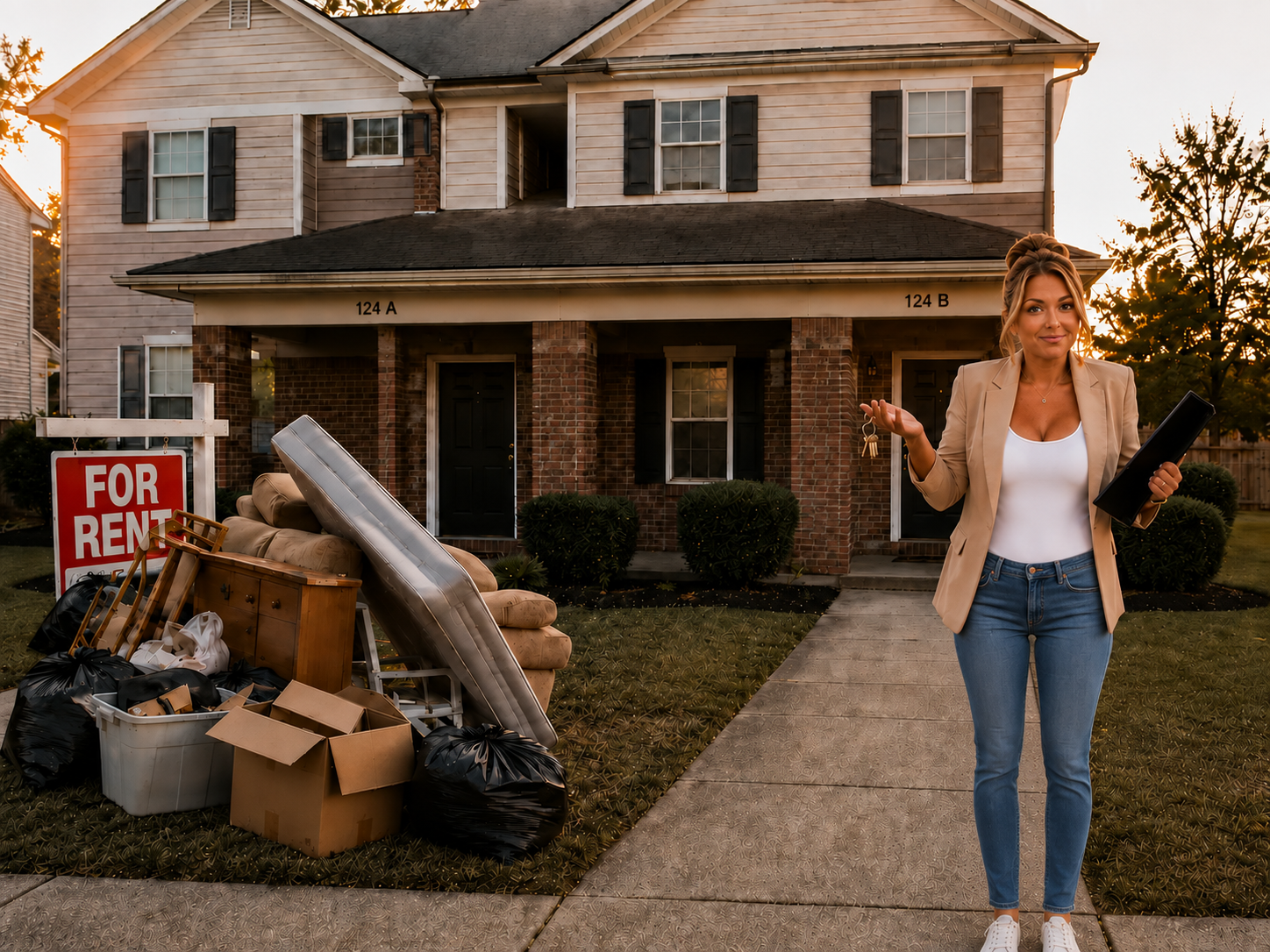
South Carolina Rental Property Solutions
When rent collection, tenant turnover, maintenance calls, vacancies, rising expenses, or long-distance ownership stop making sense, Vice Capital can evaluate the rental in its current condition. Compare a direct offer before committing to another repair, tenant, or year of ownership.
Free · No obligation · Start with the property address and current occupancy
Rental property can build wealth, produce income, and create long-term opportunity. But there may come a point when the maintenance calls, vacancies, rising expenses, difficult tenants, property damage, and constant responsibility no longer feel worth it.
Deciding to sell does not mean you failed as a landlord. It may simply mean your priorities changed, the numbers no longer work, or you are ready to use your time and equity somewhere else.
See what your rental property could be worth as-is before committing to another repair, turnover, tenant, or year of ownership.
Selling is not always about one dramatic event. For many landlords, it is the result of several small problems building over time.
Coordinating repairs, inspections, tenants, and contractors becomes harder when you live in another city or state.
Cleaning, repainting, repairs, leasing, and lost rent between tenants can reduce the return you expected.
Late rent, lease violations, property damage, abandoned belongings, or communication problems can create financial and emotional strain.
A roof, HVAC system, plumbing issue, or full turnover renovation can absorb years of cash flow in one project.
Mortgage payments, insurance, taxes, utilities, lawn care, and security continue even when no rent is coming in.
Rising insurance, taxes, maintenance, debt service, and vacancy can gradually erase the property’s monthly profit.
Some owners simply want fewer responsibilities, more flexibility, or time for family, travel, and other investments.
A property may produce rent, but the new owner may not want the legal, financial, and management responsibilities of landlording.
Selling can free equity for another property, a business, retirement, debt reduction, or a simpler financial plan.
Request a no-obligation cash offer and compare it with another lease, another renovation, or continuing to manage the property.
Answer the questions below to receive a simple Rental Property Stress Score. This is not investment, legal, or tax advice. It is a planning tool designed to help you identify where the property may be costing more time, money, or energy than expected.
Review your answers and compare the income you receive with the time, risk, and ownership costs involved.
Educational planning tool only. The score does not measure property value, investment performance, legal risk, tax consequences, or whether you should sell.
The right choice depends on your income goals, repair budget, tenant situation, timeline, equity, and interest in remaining a landlord.
Gross rent is not the same as profit. A property can appear successful until vacancy, capital expenses, insurance, taxes, management, repairs, and unpaid time are included.
One empty month can erase much of the profit from several occupied months, especially when turnover work is also needed.
Plumbing, appliances, HVAC, roofing, flooring, landscaping, and small service calls gradually reduce net income.
Roofs, major systems, windows, foundation work, and full turnovers may require large one-time investments.
These costs can increase even when the property’s rent or condition remains unchanged.
Property management can reduce your workload, but leasing, monthly management, and repair coordination fees affect cash flow.
Calls, inspections, bookkeeping, tenant communication, contractors, and emergencies are real ownership costs even when unpaid.
Late rent, notices, court filings, attorney expenses, and possession issues may increase the cost of a difficult tenancy.
Delaying work may preserve cash temporarily but can create larger repair bills and lower marketability later.
Compare the real cost of holding the rental with a direct as-is offer before the next vacancy, repair, or major expense arrives.
Compare not only the asking price, but also repairs, tenant coordination, commissions, carrying costs, financing risk, and your own time.
| Consideration | Traditional Sale | Vice Capital |
|---|---|---|
| Occupied Property | Showings and buyer access may require tenant coordination. | Occupied and vacant properties are considered. |
| Repairs | Repairs, credits, or price reductions may be requested. | Sell in the property’s current condition. |
| Cleanout | Turnover cleanup and abandoned belongings may need attention first. | Cleanout can often be handled after closing by agreement. |
| Showings | Multiple buyers, inspectors, appraisers, and agents may need access. | No public open houses or repeated retail showings. |
| Commissions | Agent commissions may reduce net proceeds. | Vice Capital does not charge an agent commission. |
| Financing | Buyer financing, appraisal, and condition can affect closing. | Cash purchase is not dependent on retail mortgage approval. |
| Closing Date | Often influenced by inspections, financing, occupancy, and buyer contingencies. | Flexible scheduling based on title, access, and the agreed plan. |
You can begin the conversation whether the property is occupied, vacant, inherited, damaged, or in need of repairs.
Share the address, occupancy, general condition, and anything important about the tenant situation.
We review the property, local market, repairs, occupancy, title, and available information.
You receive a straightforward cash offer to compare with keeping, repairing, or listing.
If the offer works, select a closing schedule that fits the property and title situation.
Complete the sale and move on without continuing the day-to-day responsibilities of ownership.
Vice Capital considers rental properties in many different conditions and ownership situations.
Occupied or vacant houses in established neighborhoods, suburbs, small towns, and rural areas.
Properties with one or more occupied or vacant units, deferred maintenance, or management challenges.
Properties with current tenants, leases, month-to-month occupancy, or challenging communication.
Empty homes requiring turnover work, cleaning, repairs, leasing, or security.
Properties inherited by family members who do not want to manage tenants or maintain another home.
Rentals with outdated systems, turnover damage, major repairs, or unfinished renovation projects.
Late rent, lease issues, abandoned belongings, property damage, or ownership stress.
Individual properties or multiple rentals considered together, depending on location and condition.
South Carolina rental owners manage a wide variety of properties, including older mill homes, brick ranches, suburban houses, duplexes, student rentals, rural homes, and inherited family properties. Each comes with different repair, tenant, insurance, and management considerations.
Vice Capital can review occupied, vacant, damaged, inherited, and problem rental properties in their current condition.
Yes. Occupied rental properties can be sold, but leases, access, notices, deposits, title, and buyer expectations should be reviewed carefully. The exact process depends on the tenancy and transaction.
Not always. Some buyers purchase occupied rentals and assume the existing tenancy subject to applicable agreements and law. Speak with a qualified South Carolina attorney about any eviction, lease, or possession questions.
Yes. Past-due rent and the current tenancy should be disclosed and documented. A direct buyer may still consider the property based on its location, condition, title, occupancy, and overall situation.
No. You may choose to repair, list as-is, or sell directly to a buyer prepared to handle the work. In some direct-sale situations, turnover cleanup and unwanted belongings can remain by agreement.
Yes, once the person with legal authority to sell is established and title requirements are satisfied. Existing leases, deposits, repairs, and probate or estate issues may need review.
Vice Capital may consider multiple properties or small portfolios depending on location, condition, occupancy, title, and pricing. Each property should still be reviewed individually.
Closing dates are coordinated based on title readiness, access, tenancy, liens, and the agreement between the parties. A cash sale may offer more flexibility than a transaction dependent on retail financing.
Compare net cash flow, upcoming capital expenses, vacancy, management time, equity, marketability, taxes, and your long-term goals. There is no universal right answer, and professional tax, legal, and financial guidance may be helpful.
Before paying for another turnover, major repair, vacancy, or year of management headaches, compare your options. Vice Capital can review the property and provide a fair, no-obligation cash offer for you to consider.
Get In Touch
Assistance Hours
Mon – Sat 9:00am – 8:00pm
Sunday – CLOSED